Marble Marvell
I gave myself one week to find out what an experienced game designer with no coding skills could build using AI.
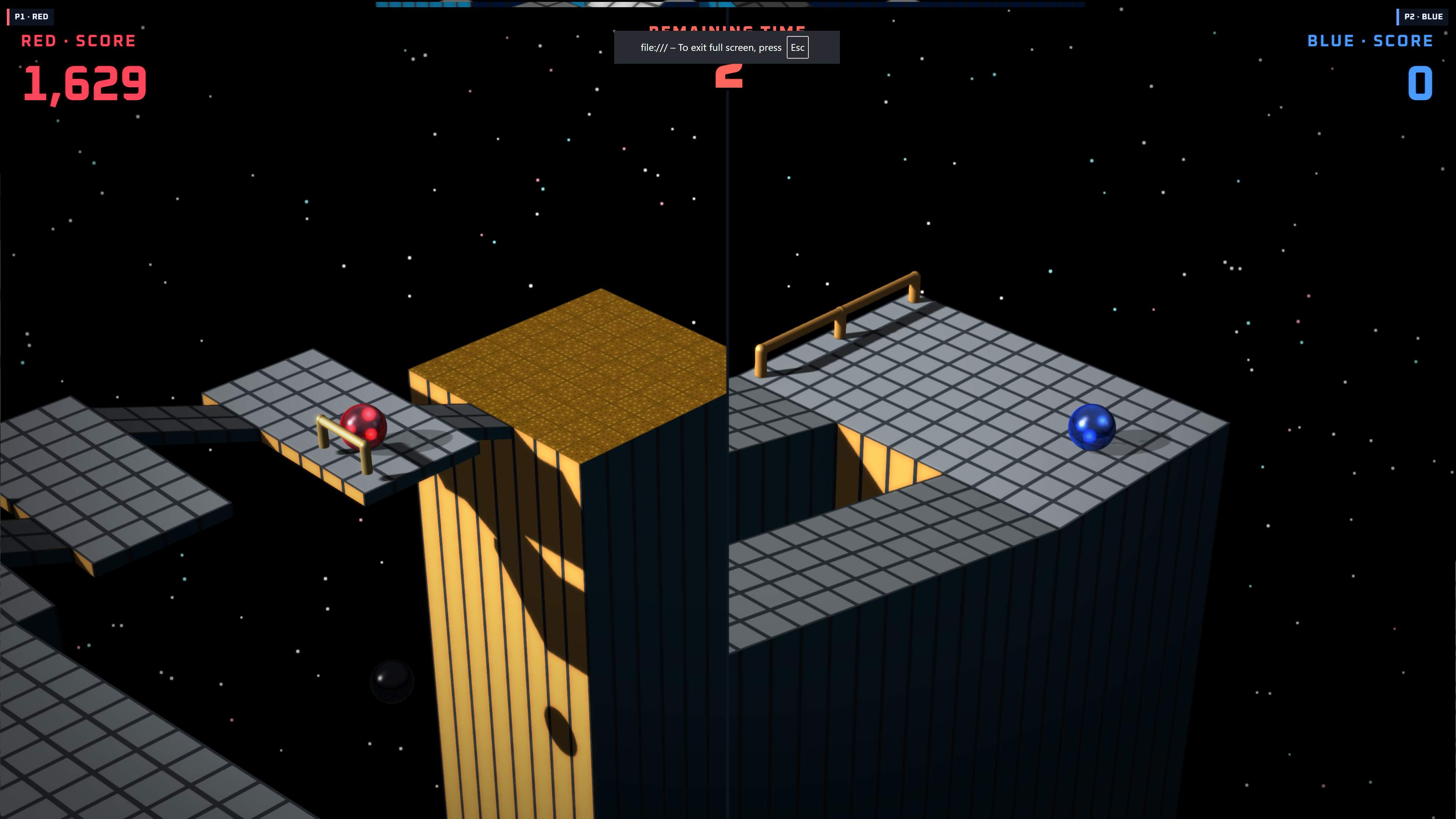
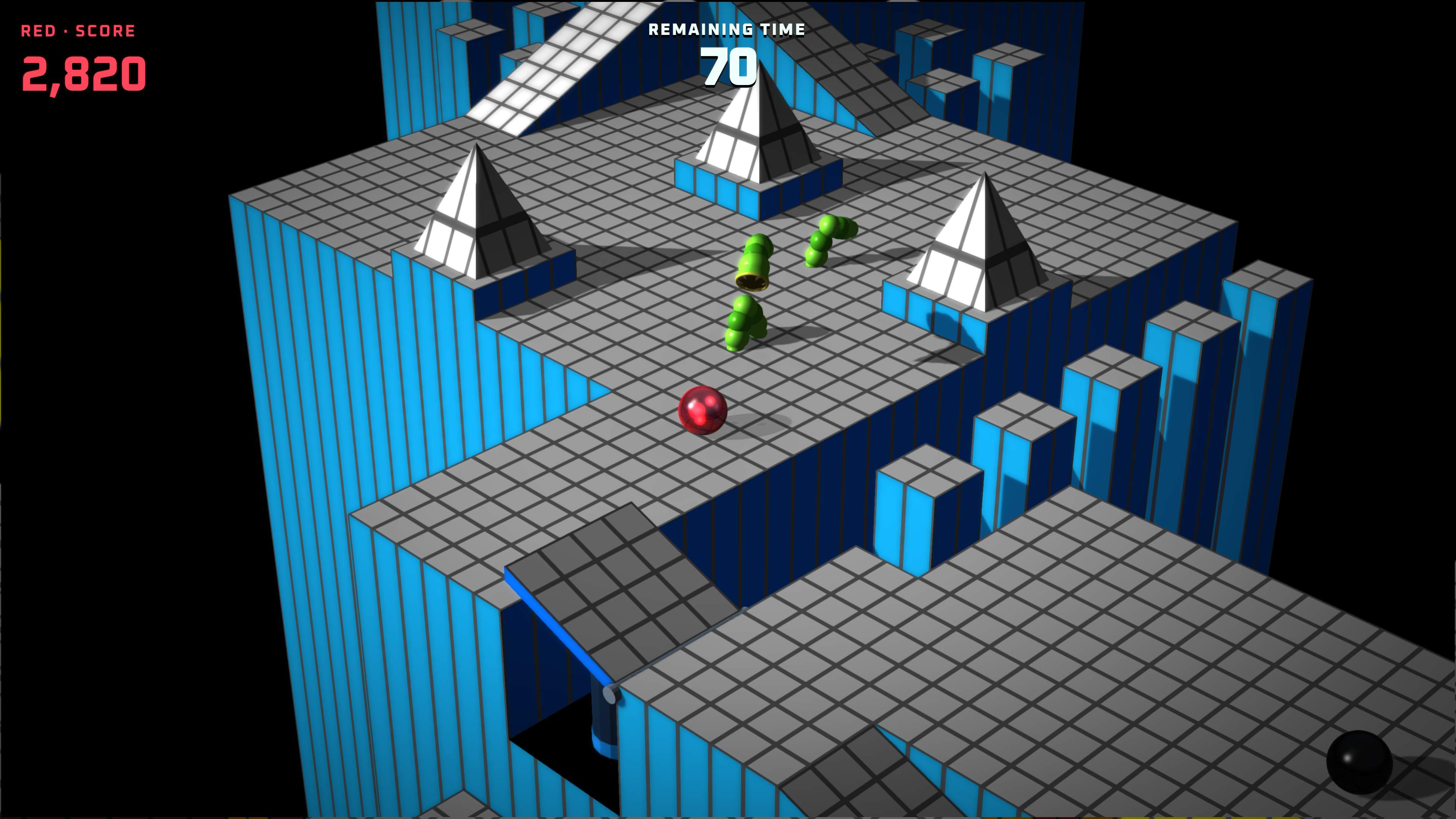
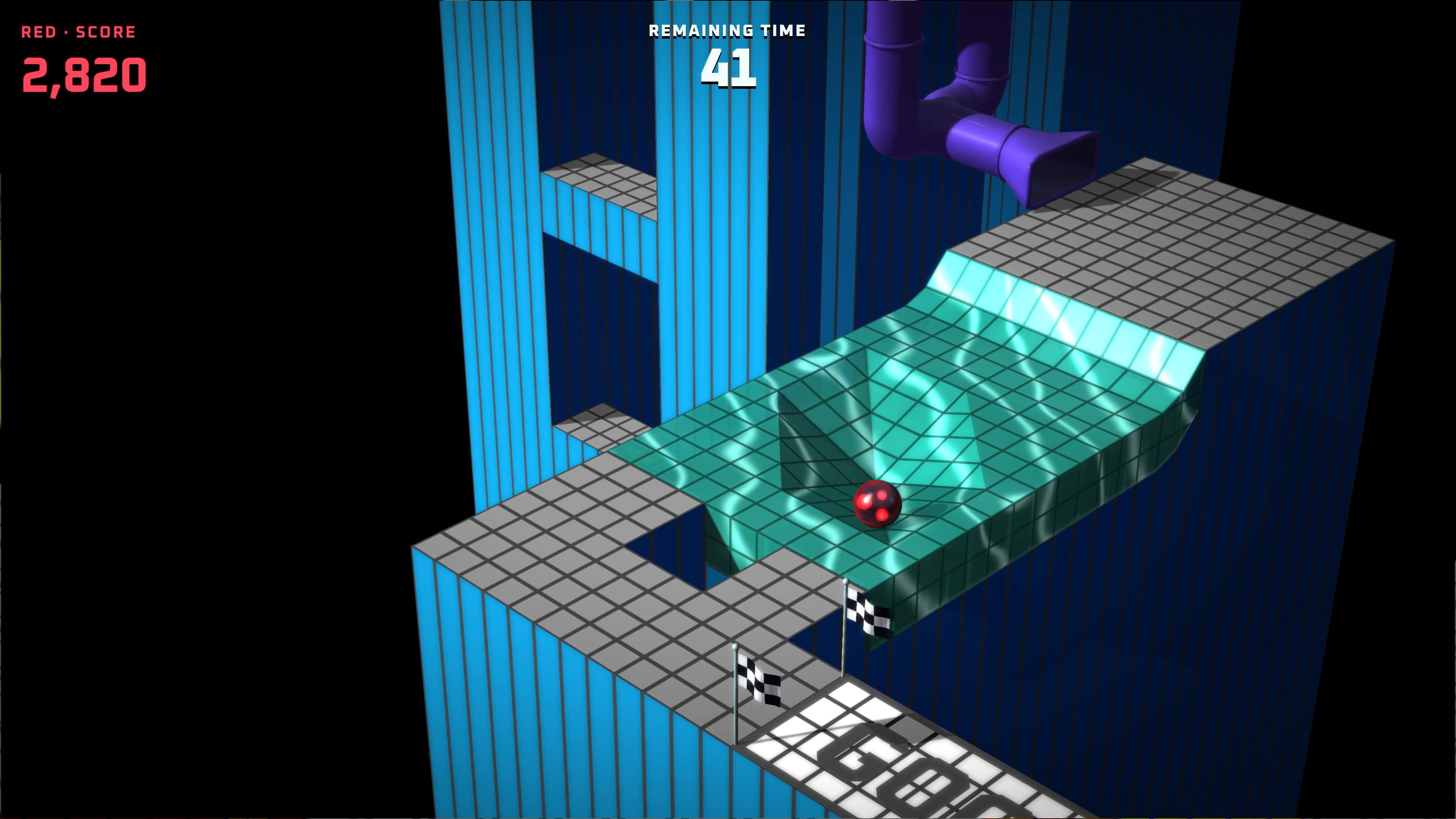
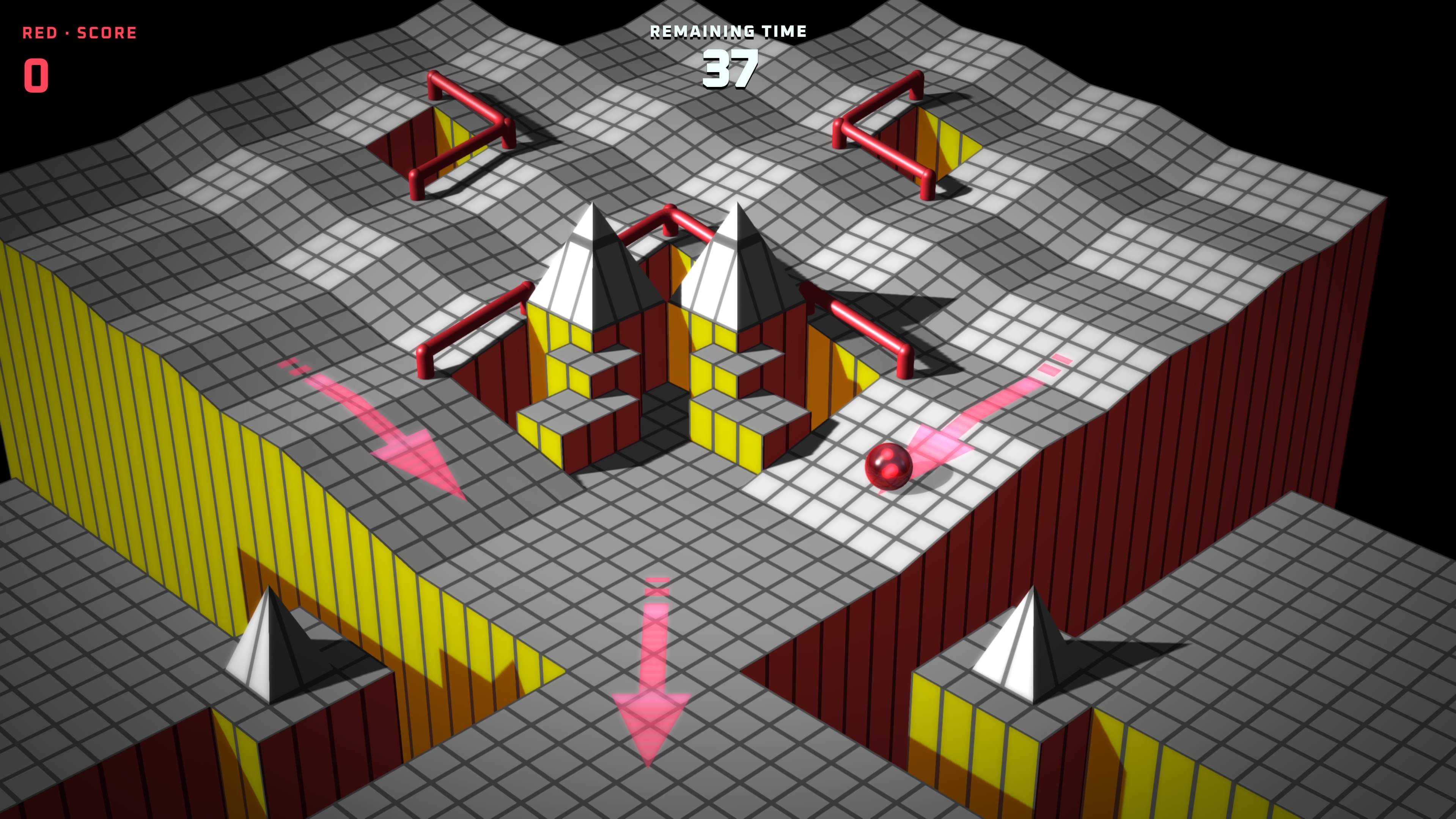
This is a free, unofficial tribute to Mark Cerny and Bob Flanagan's 1984 classic, rebuilt for the web with new code, procedural 3D graphics, local multiplayer with dynamic split-screen, and AI opponents.
I chose Marble Madness because I love the game, and for its clear and brilliant design and focused scope that made it a great fit for a one-week experiment.
I rebuilt it mostly from memory, using screenshots for reference. For the last level I had to watch a gameplay video, since I never managed to pass it either in the arcade or on the Amiga as a kid.
And the experiment honestly blew me away.
I asked the AI for very specific things, and it was able to follow incredibly precise feedback about usability, game feel, mechanics and controls.
I asked for a map editor. It built one.
Over the course of the week, that editor evolved into something that looked like one of the best custom level-editing tools I've seen built at any of the studios I've worked with.
At one point the shadows looked terrible.
"Why are the shadows so pixelated? Can't you implement something like cascade shadow maps?"
"Sure."
Done.
Framerate went down?
No problem. It optimized its own rendering code.
"I want local multiplayer with dynamic split-screen."
Sure.
About 15 minutes later, we had split-screen.
But what surprised me most wasn't the big stuff.
There's an enormous amount of nuance hidden inside a game like Marble Madness. Every enemy has a particular behavior. Every hazard has its own rules. There are little decorations and interactions. Movement needs to feel right. Things need to react in very particular ways.
I was able to communicate most of this verbally, without elaborate prompts or carefully engineered specifications. It felt surprisingly close to sitting next to a really good programmer and saying:
"No, not like that. Try this."
And it understood what I meant.
The resulting game is fun. Of course, it has an enormous advantage: it's based on a truly original masterpiece. It already has a soul.
So when I was finished recreating the original levels, I tried one final experiment.
I gave the AI all the mechanics, enemies, hazards and tools we had built and asked it to design a new campaign by itself.
And it did.
The levels work. They have progression. They have rhythm. The challenges escalate. They're perfectly playable.
And they're... kind of meh.
They have no soul.
And I think that's where this experiment became much more interesting to me.
AI turned out to be extraordinarily capable at building. It could understand my intent, execute ideas, respond to feedback and iterate at a speed that would have seemed completely insane to me a few years ago.
But game development isn't just assembling mechanics correctly.
It comes from experience. Taste. Memory. Frustration. Surprise. Knowing when something technically works but somehow feels wrong, and occasionally doing something that shouldn't work at all simply because it feels right.
That's the human experience.
And as long as there's no ghost in the shell, we still have the creative edge.
Comments
Log in with itch.io to leave a comment.
Fantastic, Big fan of this game and always wished we had more new levels to play. Played this on the Amiga.